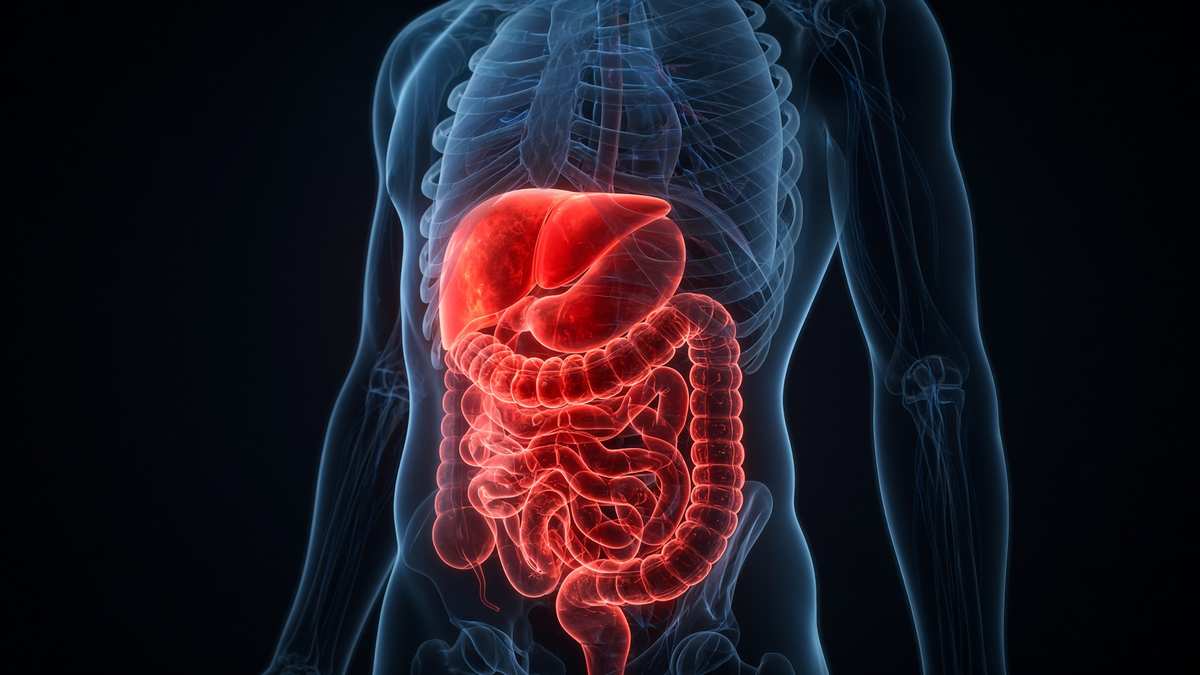
Inflammation
Less inflammation on plant-based diets, and less joint pain and swelling
JointsRheumatoid arthritis improved on a vegan diet in a year-long randomized trial
Plant-based diets lower inflammation. In trials, they reduce CRP, a standard blood marker of inflammation[1][7], and vegans have the lowest levels of any diet group compared[5]. Plant-based diets have even eased rheumatoid arthritis[9][10]. Chronic inflammation is a common thread in heart disease, diabetes, and frailty, so if you cared about inflammation, you would stop eating animals.
What the evidence says
The main points first. Every claim is tied to a source below.
Plant-based diets lowered CRP, a marker of inflammation, in randomized trials
A 2026 University of Warwick meta-analysis of randomized trials found that plant-based diets lowered C-reactive protein, a standard blood marker of background inflammation, by about 1.13 mg/L compared with omnivorous diets[1]. Sutliffe and colleagues also saw CRP drop in a vegan lifestyle program[2]. Both results come from trials, not from questionnaires about what people eat[1][2].
Read full article →Reviews link vegetarian diets with lower CRP, fibrinogen, and white blood cell counts
Craddock and colleagues’ systematic review found that vegetarian-based diets were linked with lower CRP, fibrinogen, and total white blood cell counts[1]. Haghighatdoost and colleagues found lower hs-CRP in people who had been vegetarian for at least two years, so how long people had eaten that way mattered[2]; a weekend of salads won’t show up.
Read full article →Vegans had lower CRP, a marker of inflammation, than vegetarians and meat-eaters
Mrozik and colleagues compared vegans, vegetarians, and omnivores directly[1]. The vegans had much lower hs-CRP, a blood marker of inflammation, than both other groups, and the omnivores had higher IL-6 and white blood cell counts[1]. The same study found that junk plant food doesn’t deliver the same benefit[1], and a study from Poland also found that diet quality, not just the vegan or vegetarian label, was linked with inflammation[2]. The benefit comes from foods like beans, not vegan ice cream.
Read full article →Gut bacteria turn red meat into artery-damaging TMAO, and vegans make much less
Koeth and colleagues at Cleveland Clinic showed that gut bacteria turn L-carnitine from red meat into TMAO, a compound that promotes atherosclerosis, the buildup of plaque in the arteries[1]. After a meal containing carnitine, omnivores made much more TMAO than vegans and vegetarians, because a meat-eater’s gut bacteria are adapted to meat[1].
Read full article →Rheumatoid arthritis improved on a vegan diet in a randomized trial
In a 1991 trial in The Lancet, 27 patients fasted for 7 to 10 days, ate a gluten-free vegan diet for 3.5 months, and then ate a lactovegetarian diet for the rest of the year, while 26 controls ate their usual food[1]. The diet group improved on tender and swollen joints, pain, morning stiffness, grip strength, sedimentation rate, and C-reactive protein, and they were still ahead at one year[1]. In a later four-week trial of a very-low-fat vegan diet, every symptom measure improved except morning stiffness[2]. CRP fell 16% and rheumatoid factor 10%, though with only 24 people in the group, neither change was statistically significant[2]. Among 65,981 Adventists, vegans reported about half as much hyperthyroidism as omnivores, but the data were self-reported and collected at one point in time, so it’s unclear which caused which[4].
Read full article →Articles
Plant-based diets bring inflammation down
Randomized trials show C-reactive protein, a standard blood marker of inflammation, falling when people switch to plant-based diets, and meta-analyses find lower inflammation markers in people who don’t eat animals. Vegans have the lowest levels, and the benefit comes from whole plant foods like beans, vegetables and whole grains.
Read full article →
A vegan diet eased rheumatoid arthritis in a year-long trial
In a randomized trial published in The Lancet, people with rheumatoid arthritis who switched to a vegan and then lactovegetarian diet had less pain, stiffness and joint swelling, and lower blood markers of inflammation. They were still doing better than the control group after one year.
Read full article →
Sources
Papers and datasets. Each card keeps its caveats, including small samples and single-animal cases.
[1]Nutrition, Metabolism and Cardiovascular Diseases, 2026 · Meta-analysis
Plant-based diets lowered CRP by about 1.13 mg/L in randomized trials
A University of Warwick team carried out the first systematic review of randomized trials on plant-based diets and CRP, a marker of inflammation, covering 541 people. Vegan, vegetarian, and whole-food plant-based diets cut CRP by about 1.13 mg/L compared with omnivorous diets.
[2]Advances in Nutrition, 2019 · Meta-analysis
Vegetarian diets were linked with lower CRP, fibrinogen, and white blood cell counts
Craddock’s systematic review and meta-analysis linked vegetarian-based diets with lower CRP, lower fibrinogen, and lower total white blood cell counts, all measures of inflammation.
[3]Public Health Nutrition, 2017 · Meta-analysis
People who had been vegetarian for at least two years had lower hs-CRP
Pooling observational studies, Haghighatdoost’s team found that people who had followed a vegetarian diet for at least two years had lower high-sensitivity CRP than non-vegetarians. How long they had been vegetarian mattered.
[4]European Journal of Clinical Nutrition, 2018 · Observational
Vegetarian Adventists had lower CRP and IL-6, partly because of lower BMI
In Jaceldo-Siegl’s study of Adventists, vegetarians had lower CRP and IL-6, and body mass index explained part of that gap. Weight is one way diet affects inflammation, but across the inflammation studies it isn’t the only one.
[5]Nutrients, 2025 · Observational
Vegans had lower hs-CRP than vegetarians and omnivores
Mrozik and colleagues compared vegans, vegetarians, and omnivores and found that vegans had much lower hs-CRP than both other groups, while omnivores had higher IL-6 and white blood cell counts. The quality of the plant foods mattered too.
[6]Nature Medicine, 2013 · Clinical
Gut bacteria turn L-carnitine from red meat into TMAO, which promotes atherosclerosis
Koeth and colleagues found that gut bacteria turn L-carnitine from red meat into TMAO, a compound that promotes atherosclerosis. After a carnitine meal, vegans and vegetarians made far less TMAO than omnivores, which means meat-eaters’ gut bacteria handle meat differently.
[7]Complementary Therapies in Medicine, 2015 · Clinical
A vegan lifestyle program lowered C-reactive protein
In a study by Sutliffe and colleagues, a vegan lifestyle intervention lowered C-reactive protein, a marker of inflammation.
[8]Nutrients · Observational
Diet quality tracked with inflammation in Polish vegans and vegetarians
Among vegans and vegetarians in urban Poland, inflammation markers tracked with the quality of their diets, not just with the vegan or vegetarian label.
[9]The Lancet, 1991 · Clinical
Fasting and then a vegan diet eased rheumatoid arthritis in a randomized trial
In a randomized trial, 27 people with rheumatoid arthritis fasted for 7 to 10 days, ate a gluten-free vegan diet for 3.5 months, and then ate a lactovegetarian diet for the rest of the year, while 26 controls ate their usual food. Tender and swollen joints, pain, morning stiffness, grip strength, sedimentation rate, and C-reactive protein all improved in the diet group, and the group was still ahead at one year.
[10]Journal of Alternative and Complementary Medicine, 2002 · Small sample
A very low-fat vegan diet eased rheumatoid arthritis symptoms in four weeks
In a small study, 24 people with moderate-to-severe rheumatoid arthritis ate a vegan diet of about 10% fat for four weeks, and every symptom measure except morning stiffness fell significantly. C-reactive protein dropped 16% and rheumatoid factor 10%, but in a group this small neither change was statistically significant.
[11]Frontiers in Nutrition, 2019 · Review
Diets without animal products eased rheumatoid arthritis symptoms, a review finds
Reviewing the trials and cohort studies, the authors report that rheumatoid arthritis symptoms improved on diets without animal products. They credit part of the effect to fiber shifting gut bacteria in ways that reduce inflammation and joint pain.
[12]Public Health Nutrition, 2015 · Observational
Vegan Adventists reported about half as much hyperthyroidism as omnivores
Among 65,981 Adventists, vegans reported about half as much hyperthyroidism as omnivores (odds ratio 0.49), with lacto-ovo vegetarians (0.65) and pesco-vegetarians (0.74) in between. The data were self-reported and cross-sectional, so the study can’t say whether the diet or the thyroid problem came first.