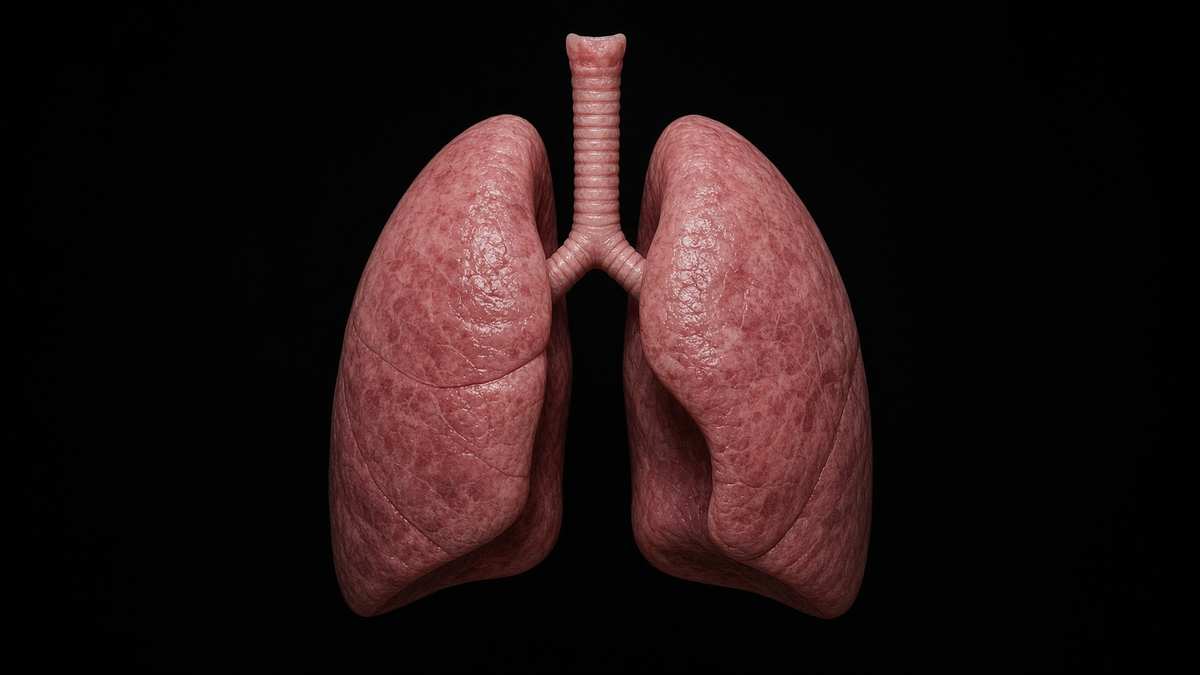
Lungs
Lower COPD risk and fewer asthma symptoms
FewerNew asthma symptoms on healthier plant-based diets, much of it through weight
In the UK Biobank, healthier plant-based patterns came with lower COPD risk[1], and unhealthy plant-based patterns raised it[1]. Among current smokers, men eating 5+ servings of fruit and vegetables a day had about 40% lower COPD risk[2]. Cured meat went the other way: the men who ate the most had 2.6 times the risk of newly diagnosed COPD, after adjusting for smoking[3]. Asthma follows the same line. Among 5,700 women in the E3N cohort, healthier plant-based eating came with fewer new asthma symptoms and unhealthful plant-based eating with more[5], much of it through body weight[5].
What the evidence says
The main points first. Every claim is tied to a source below.
Healthier plant-based patterns came with lower COPD risk
In UK Biobank, healthier plant-based patterns came with lower COPD risk[1], and unhealthy plant-based patterns with higher risk[1]. Among 44,335 men, eating 5+ servings of fruit and vegetables a day came with about 40% lower COPD risk in current smokers and 34% lower in ex-smokers[2]. The plants have to be the healthy ones[1].
Read full article →Cured meat tracked with more COPD, after adjusting for smoking
Men who ate the most cured meat had 2.6 times the risk of newly diagnosed COPD, after adjusting for smoking[1]. Among 71,531 nurses followed for 16 years, COPD risk rose with cured-meat intake, reaching 1.5 times at 4+ servings a week[2]. Smoking is the main driver, but the link with cured meat survived the adjustment for it[1].
Read full article →Healthier plant-based diets came with fewer asthma symptoms, largely through body weight
In the French E3N cohort of about 5,700 women followed since 1993, healthier plant-based eating came with fewer new asthma symptoms and unhealthful plant-based eating with more[1], with much of the effect running through body weight[1]. A position paper in Nutrition Reviews says plant-centred eating appears to protect against asthma and ease symptoms through its effects on inflammation, oxidation, and gut bacteria[2]. The authors back more fruit and vegetables and less saturated fat and dairy[2].
Read full article →Articles
Healthier plant-based diets come with less COPD and fewer asthma symptoms
In large cohorts, healthy plant-based eating and more fruit and vegetables tracked with lower COPD risk, cured meat with higher risk even after adjusting for smoking, and healthier plant-based diets with fewer new asthma symptoms.
Read full article →
Sources
Papers and datasets. Each card keeps its caveats, including small samples and single-animal cases.
[1]Nutrients, 2025 · Observational
Plant-based diets and COPD
In the UK Biobank, healthier plant-based patterns came with lower COPD risk, while unhealthy plant-based patterns raised it.
[2]Thorax, 2017 · Observational
Fruit and vegetables and COPD
In 44,335 men, eating 5+ servings of fruit and vegetables a day came with about 40% lower COPD risk in current smokers and 34% lower in ex-smokers.
[3]Health Professionals Follow-up Study / PMC · Observational
Cured meat and COPD in men
Men eating the most cured meat had 2.6 times the risk of newly diagnosed COPD, after adjusting for smoking.
[4]American Journal of Clinical Nutrition / PMC · Observational
Cured meat and COPD in women
Across 71,531 nurses followed 16 years, COPD risk rose with cured-meat intake, reaching 1.5 times at 4+ servings a week.
[5]Nutrients, 2022 · Observational
Plant-based diets and new asthma symptoms — 5,700 women
In the French E3N cohort, followed from 1993, healthier plant-based eating came with fewer new asthma symptoms and unhealthy plant-based eating with more. Much of the effect ran through body weight.
[6]Nutrition Reviews, 2020 · Review
Nutrition in asthma prevention and treatment
Review: plant-centred eating appears to protect against asthma and ease symptoms by way of inflammation, oxidation, and gut bacteria. The authors back more fruit and vegetables and less saturated fat and dairy.